







Event
Executive Summary of the "Weather & Climate Forecast Conference (WCFC) 2025"
16 December 2025, 13:00~17:30
Tokyo International Forum, 5-1 Marunouchi 3-chome, Chiyoda-ku, Tokyo
Executive Summary
Pioneering a New Era of Weather and Climate Forecasting through AI and Global Collaboration.
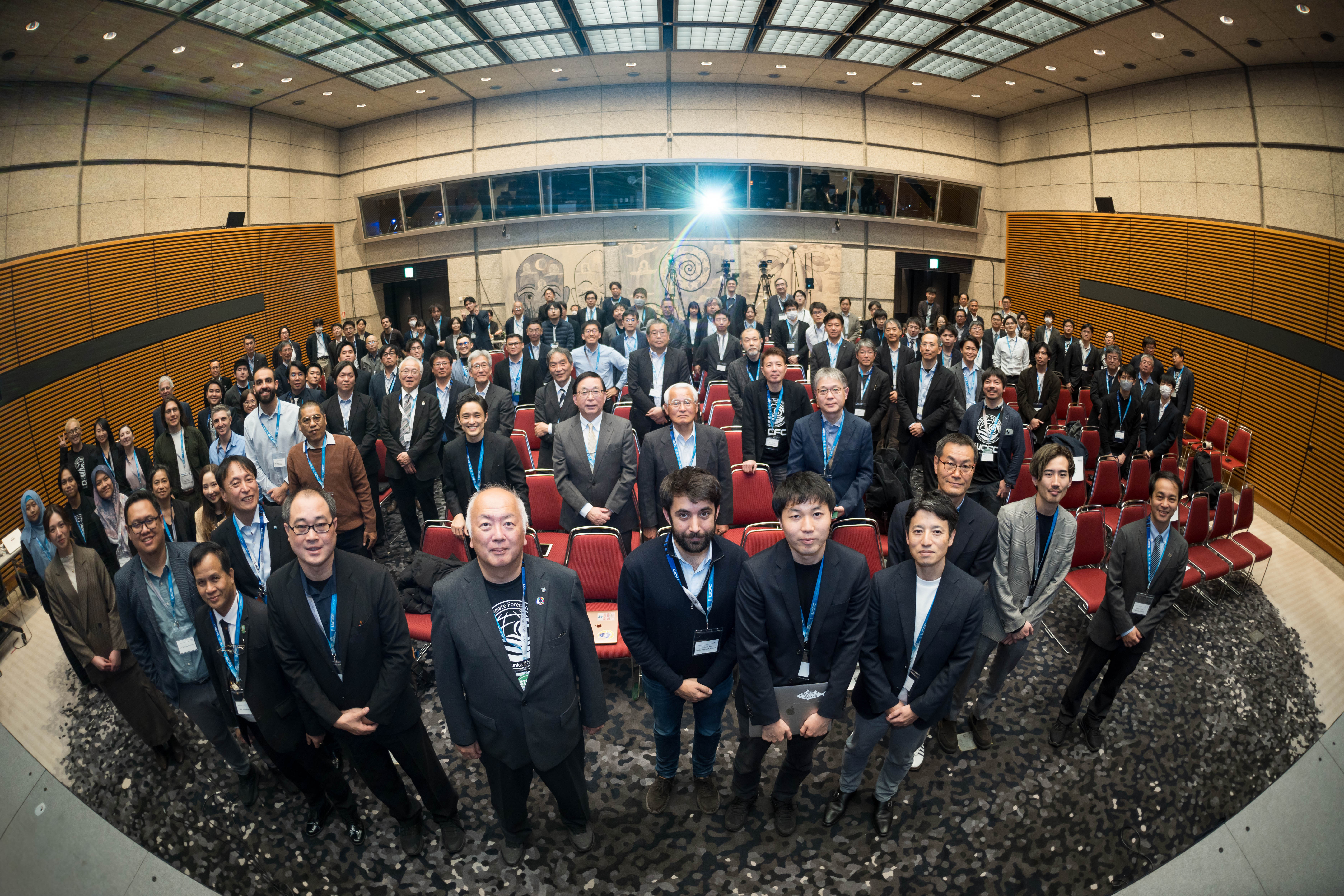
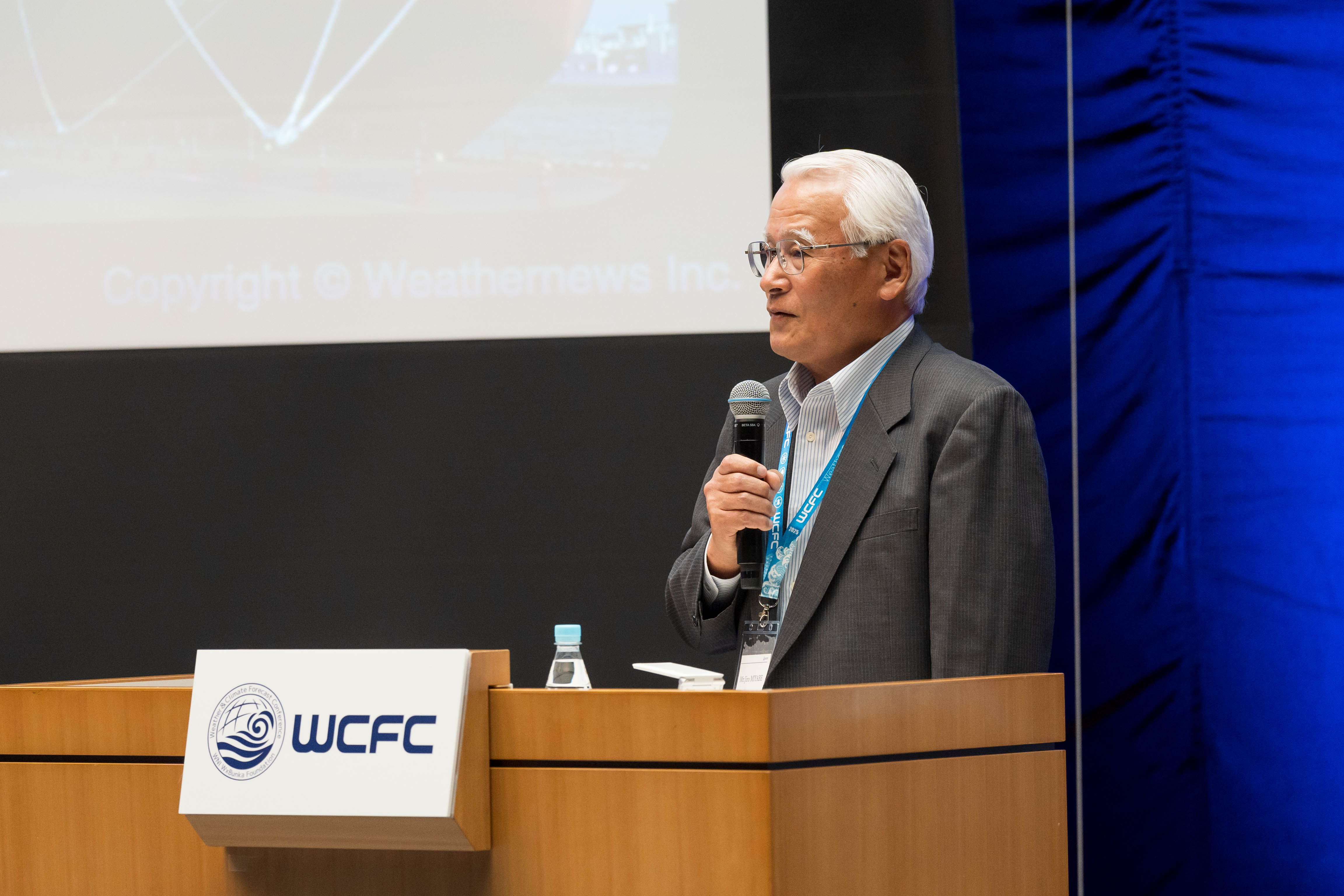
On 16 December 2025, the inaugural Weather & Climate Forecast Conference 2025 (WCFC 2025) was held at the Tokyo International Forum, hosted by the WNI WxBunka Foundation. With the theme of "AI opens up new value in the weather industry", this historic gathering brought together leaders from academia, industry and government to discuss the modernization of weather infrastructure and the advancement of predictive technologies in the Asia-Pacific region. The ultimate goal of this initiative is to foster a new "Meteorological Culture (WxBunka)" that prioritizes disaster risk reduction and social resilience through practical implementation.
1. The Paradigm Shift: AI-Powered Weather Prediction
The conference highlighted a monumental shift in the industry. Artificial Intelligence (Machine Learning) has now surpassed the "gold standard" of physics-based Numerical Weather Prediction (NWP) models.
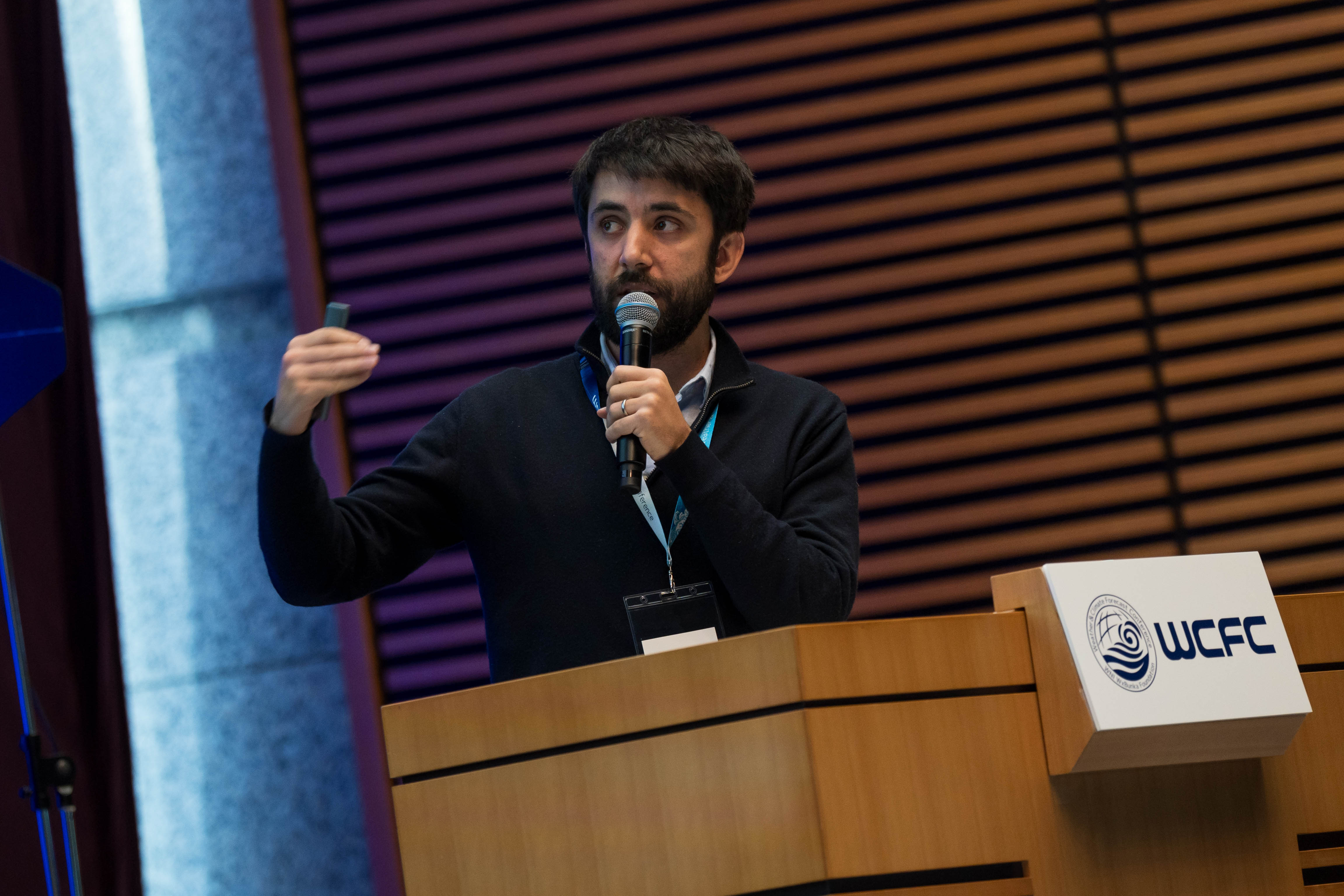
• Dramatically Enhanced Speed and Precision: Google DeepMind introduced the latest model, "Functional Generative Networks (FGN)," which reduces the computational time from hours on a supercomputer to just minutes on a single GPU. Furthermore, AI has now achieved state-of-the-art accuracy in predicting tropical cyclone intensity and structure - areas where traditional models have historically struggled.
• The Power of 1,000-Member Ensembles: Leveraging the low computational cost of AI, researchers have successfully implemented 1,000-member ensemble forecasts. This enables forecasters to detect extreme weather events with as low as a 1% probability, providing early signals for rare but catastrophic disasters that were previously difficult to evaluate.
• Typhoon Forecasting Breakthrough - A New Era of Precision: The Global Storm Center of Weathernews Inc. (WNI) validated that Google DeepMind's FNV3 model reduced track errors by 40% and intensity errors by 20% during the 2025 season, compared to previous standards. Since August 2025, WNI's official typhoon track forecasts, powered by ECMWF's AIFS model, have been approximately 20% more accurate than those of other leading international agencies, such as JTWC and JMA. Furthermore, AI models have demonstrated remarkable stability from the early stages of typhoon development, providing forecasters with the reliable information needed for quick and informed decision-making.

Weathernews Inc.(WNI), Global Storm Center, Mr. Yoshihiro Konno
2. Perspectives from National Meteorological and Hydrological Services (NMHSs)
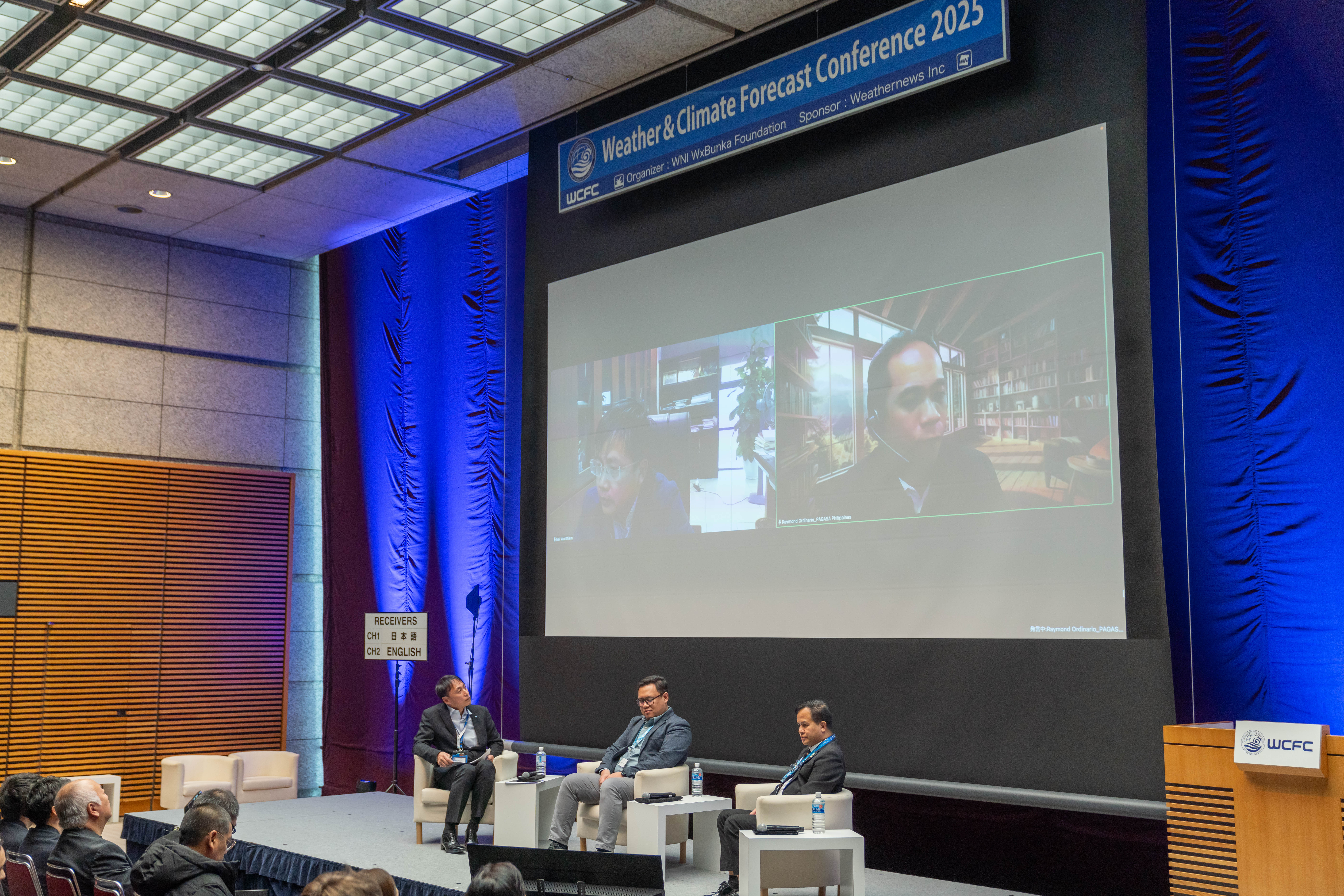
Panel discussions featured representatives from NMHSs of Indonesia (BMKG), the Philippines (PAGASA), Thailand (TMD), and Vietnam (VNMHA), who shared the critical challenges and high expectations for AI integration in the tropics.
• Responding to Intensifying Disasters: Southeast and South Asian nations are at the forefront of climate change, experiencing more frequent and intense typhoons, flash floods, and localized heavy rainfall. Enhancing Early Warning Systems (EWS) through "impact-based forecasting" is their highest priority to save lives and property.
• Addressing the NWP Gap: Traditional physics-based NWP models often struggle with complex tropical convection and 0-3 hour "nowcasting". Representatives view AI not as a replacement for physics-based models, but rather as a "transformative layer" that can improve forecast consistency and bridge the gap between meteorological data and actionable guidance.
• The Need for Global Partnerships: Implementing these AI solutions requires significant investment in GPU-based high-performance computing, as well as capacity development in terms of specialized AI engineering skills. There is a strong call for collaboration with big tech companies and international partners to provide the necessary cloud scalability and "Explainable AI (XAI)" frameworks to ensure the reliability of warnings.
3. Real-World Implementation: AI as a Decision-Support Agent
The conference also showcased how AI is evolving from a simple "prediction tool" to an "intelligent agent" that guides human decision-making.
• AI Weather Agent: WNI introduced a "Weather Agent" utilizing Large Language Models (LLMs). By integrating 20 years of "human-sensed" data from over 100 million user reports with high-resolution analytical data, the AI can provide natural-language advice in response to questions such as "Should I carry an umbrella?" and "How will this affect my supply chain?".
• Creating Business Value: Standardizing "Weather Intelligence" as a decision-making signal enables the systematic integration of meteorological data into inventory management, demand forecasting, risk management and operational planning. This integration transforms weather information from simple forecasts into a direct driver of economic value and societal benefits, such as disaster mitigation.
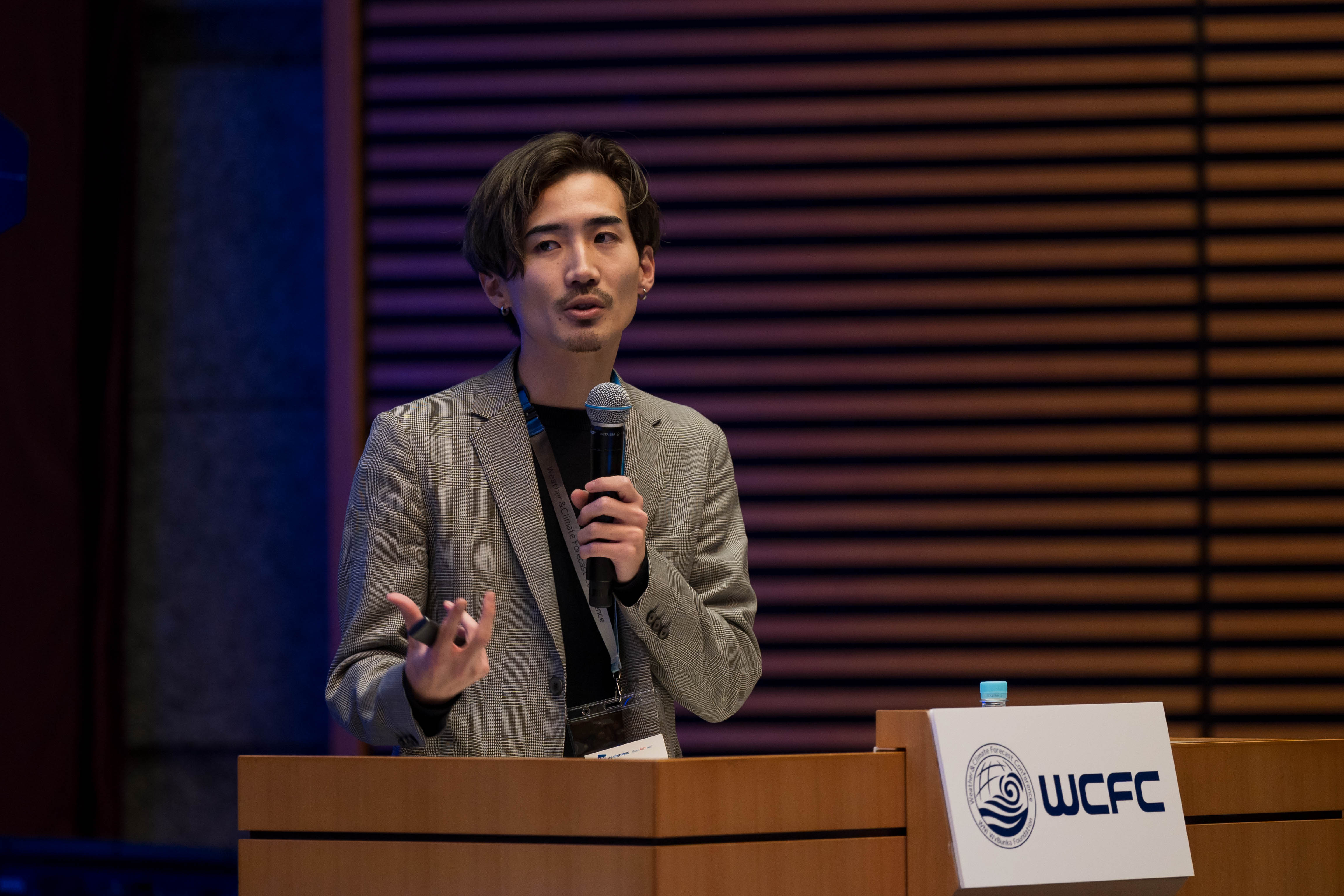
4. Future Vision: Co-Creation and the Role of Observation
The University of Tokyo (ClimCORE) emphasized that "observation is the only tool connecting the real atmosphere and the digital world," stressing the continued importance of maintaining high-quality observation networks and "reanalysis" data as the foundation for training robust AI models.
The conference concluded with a vision of "role differentiation" in the AI era:
• Big Tech & International Agencies: Developing massive, high-accuracy global AI models.
• NMHSs and the Private Sector: Customizing regional and application-specific AI models tailored to local topography and specific societal needs.
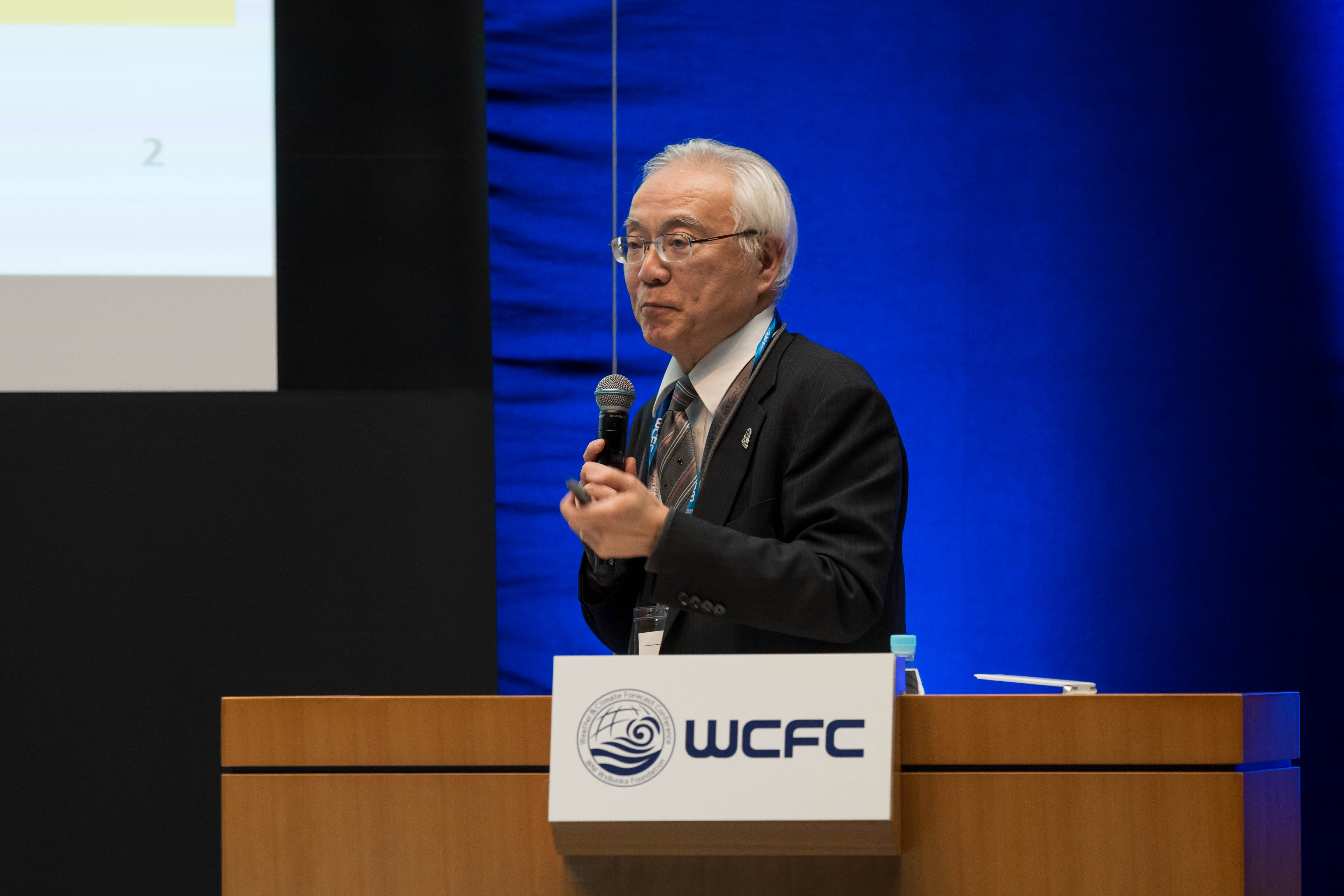
A Call for Participation
WCFC 2025 emphasized the strong belief that aligning new AI technologies with the needs of NMHSs and society can strengthen Early Warning Systems and save lives.
The next conference will address the key challenges identified during the discussions, such as limited computing resources, the need for high-resolution, region- and application-specific models, capacity development for effective AI use, and the implementation of AI technologies suited to national meteorological hazards. Solution-oriented dialogue is anticipated between Asian meteorological authorities, AI innovators, academic institutions, and private companies such as Google DeepMind and Weathernews Inc., with the aim of advancing disaster preparedness and response across the international community.
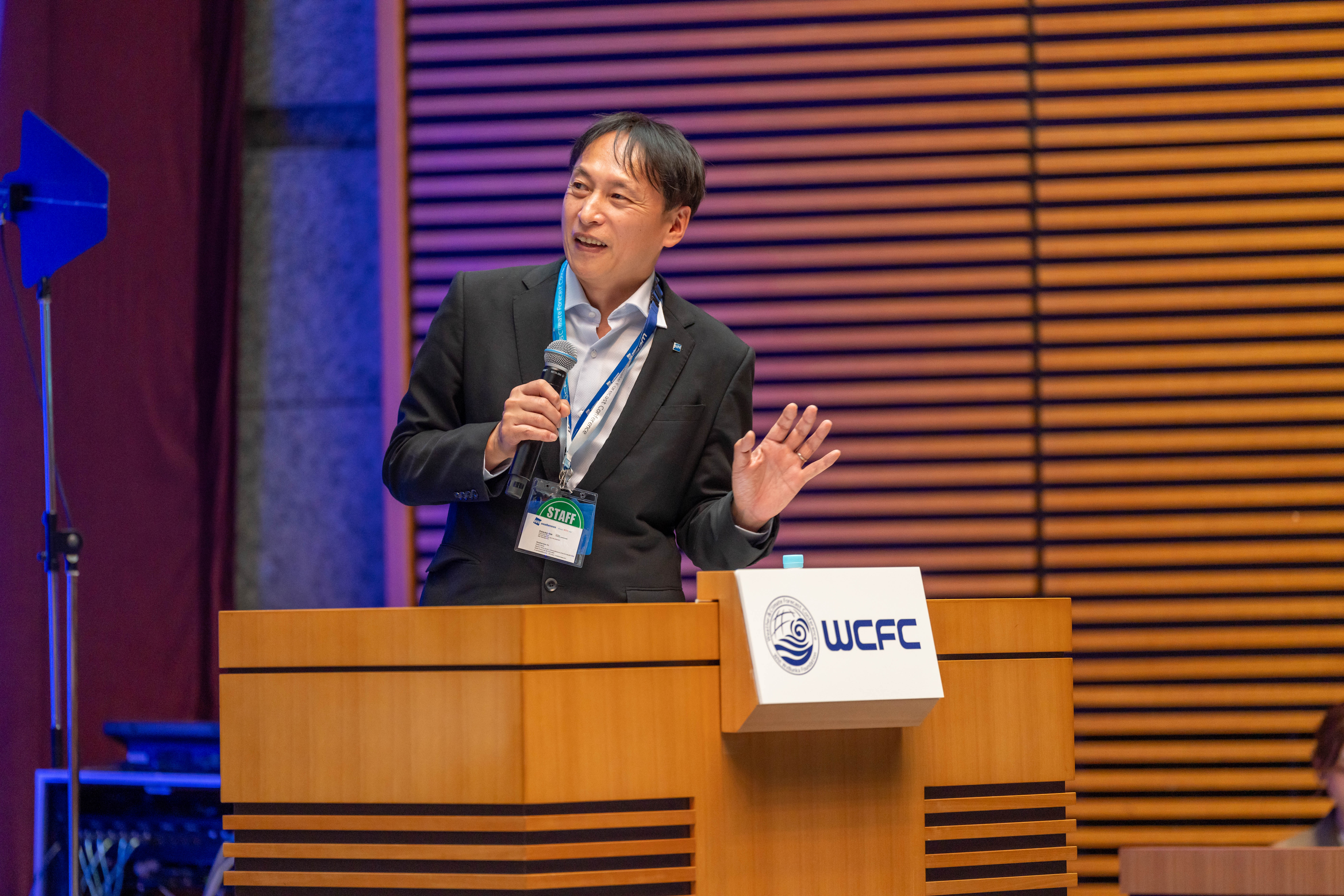
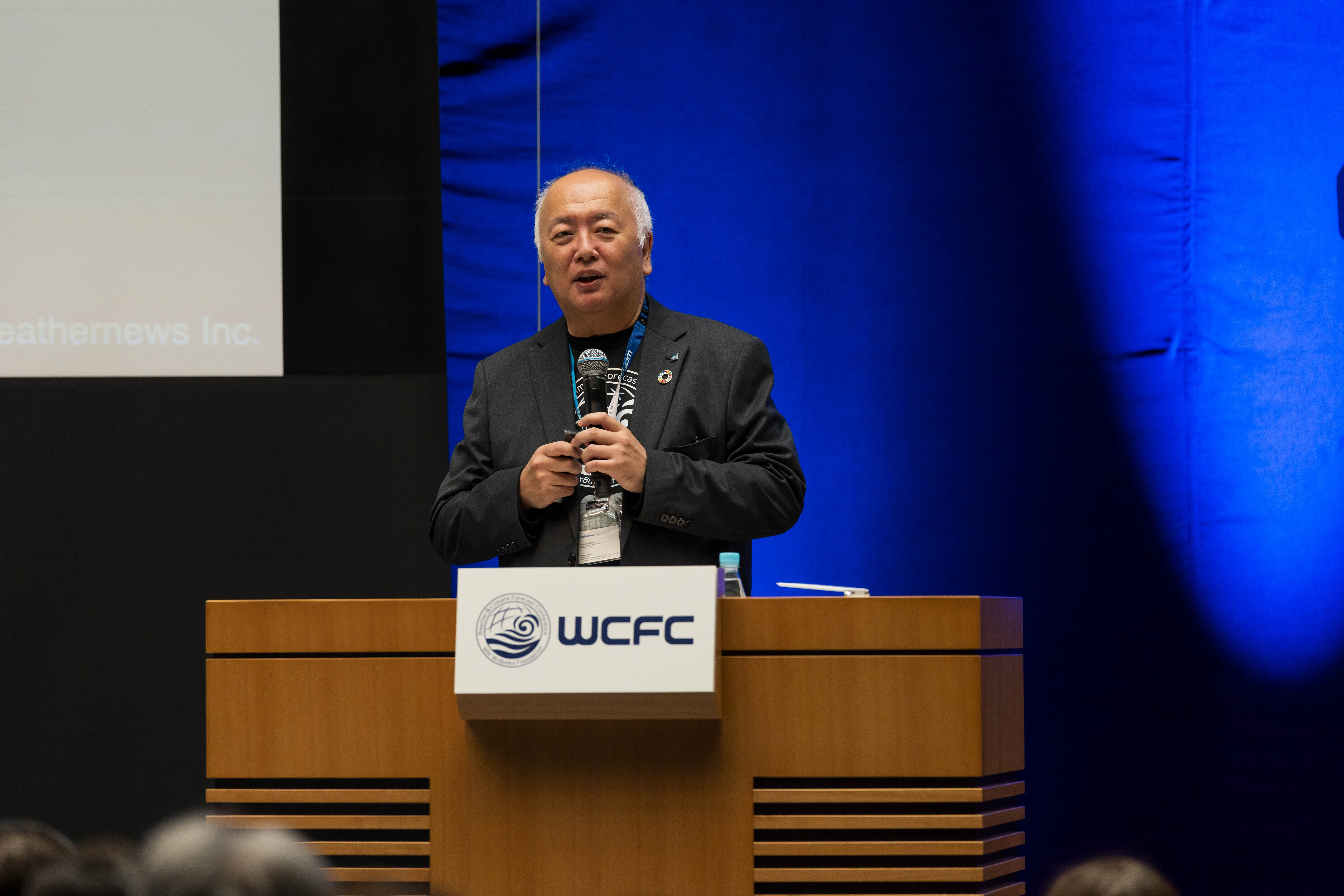
"Keynote Speech" Weathernews Inc., Mr. Yuichiro Nishi |
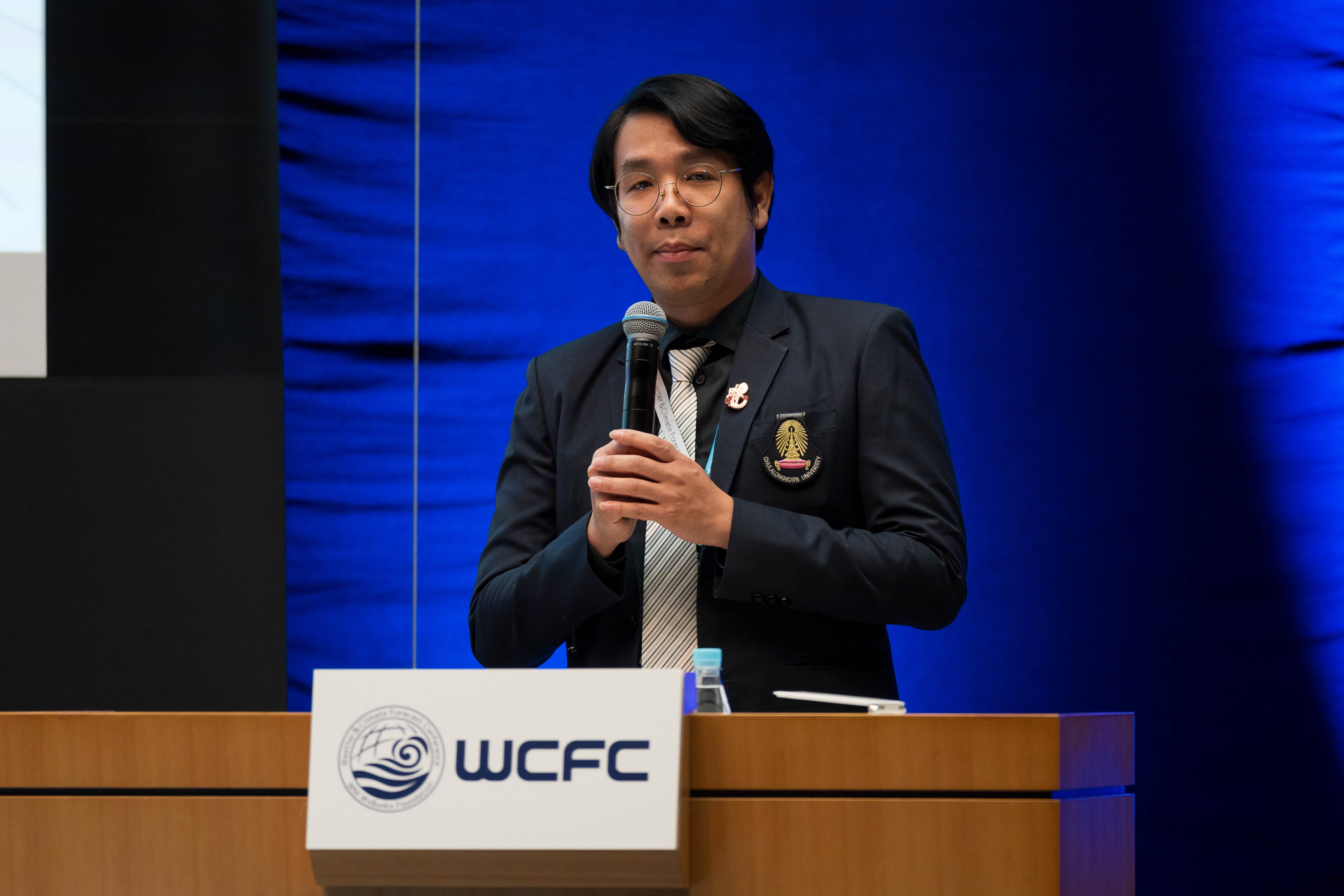
"Spatio-temporal Characteristics of Summer Rainfall in Upper Northeastern Thailand under ENSO Influence: Evidence from Radar Data and Numerical Modeling" Chulalongkorn University, Assistant Professor, Ekkamol Vannametee, Ph.D. |
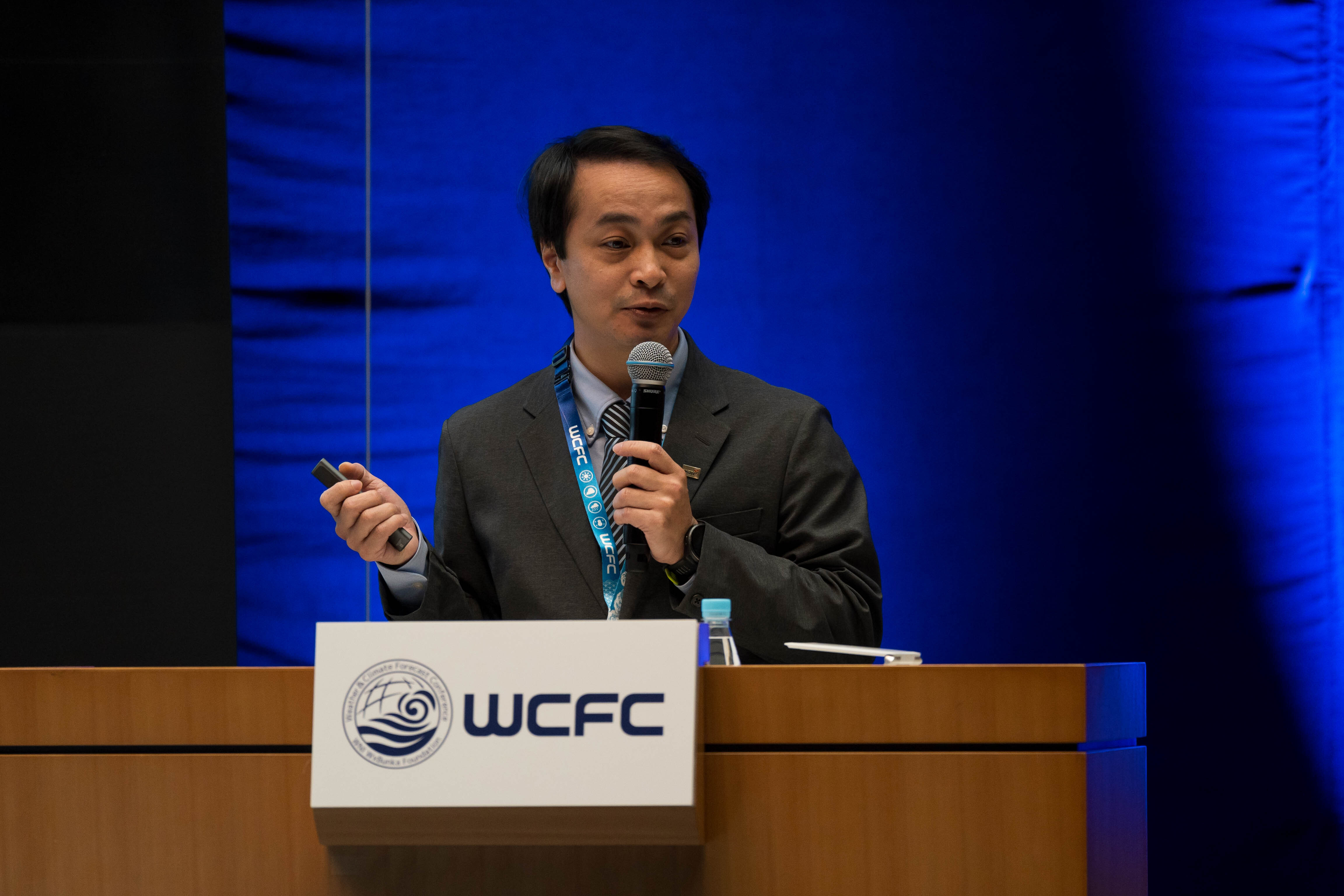
"Toward Applying AI for Rainfall Estimation and Prediction in Vietnam" University of Science and Technology of Hanoi, Assoc. Prof., Ngo Duc Thanh |
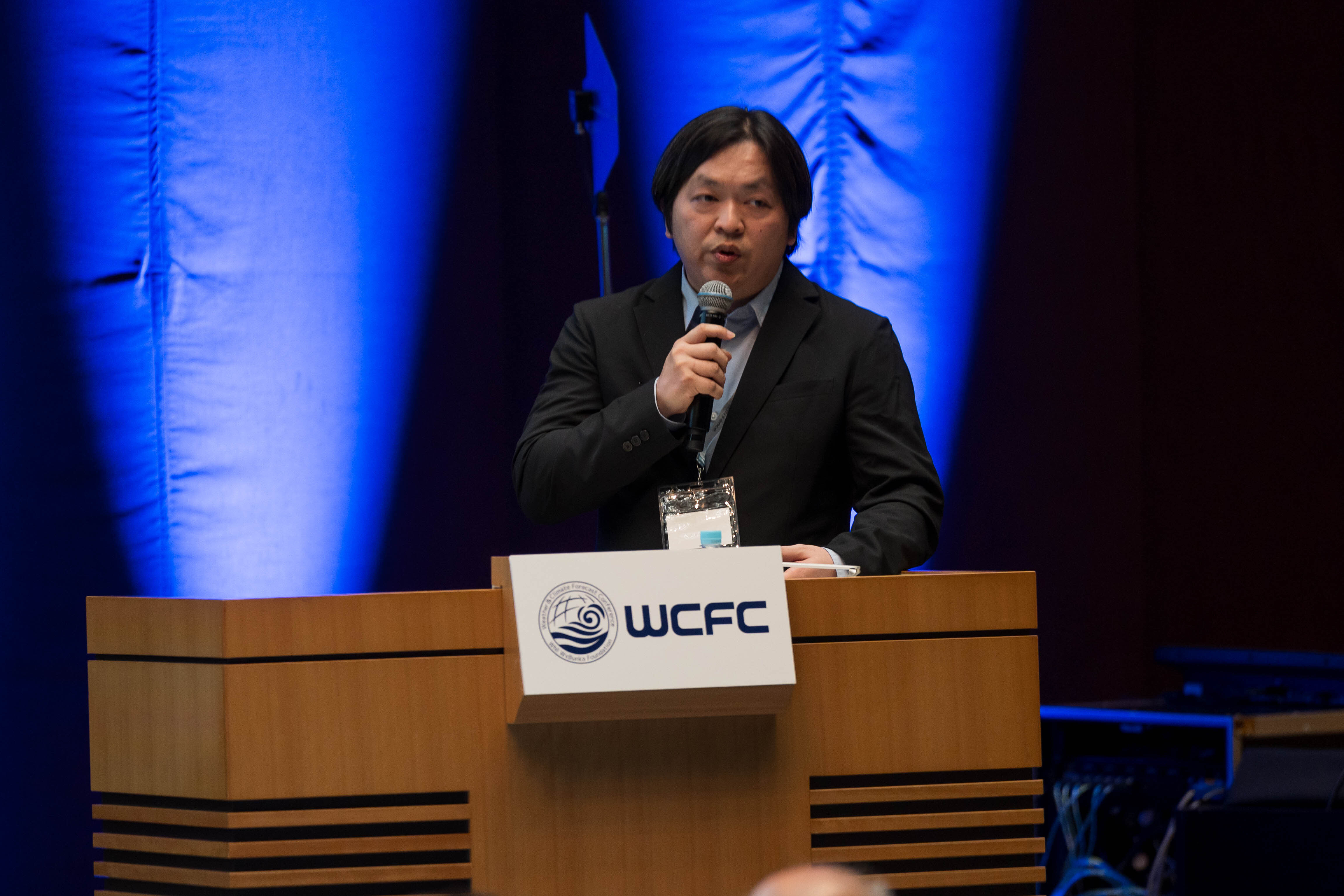
"The role of the academe in meteorological research in the Philippines" University of the Philippines, Professor, Gerry Bagtasa, Ph.D. |
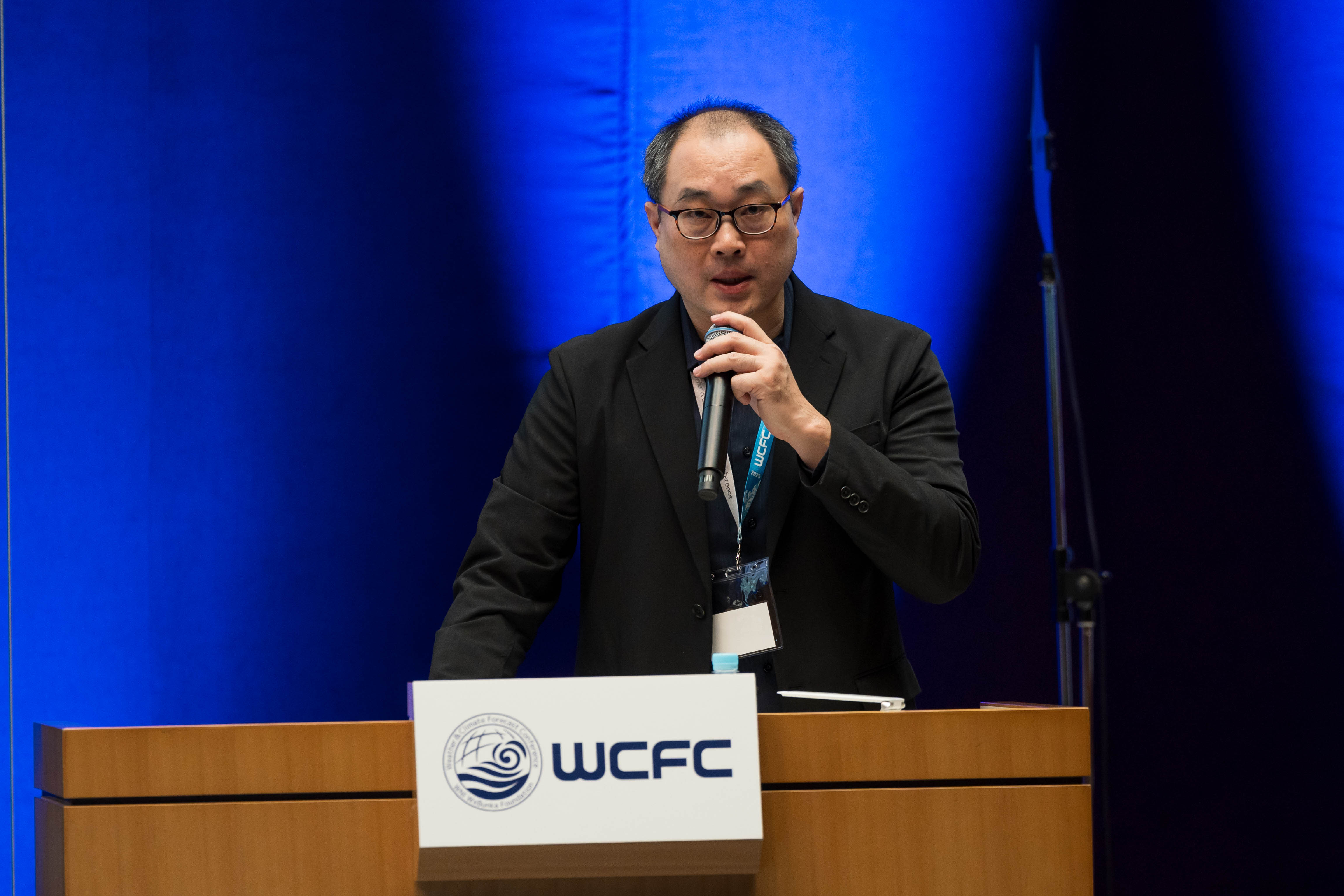
"Challenges and opportunities of Climate Adaptation in Thailand" Department of Climate Change and Environment of Thailand, Mr. Teerapong Laopongpith |
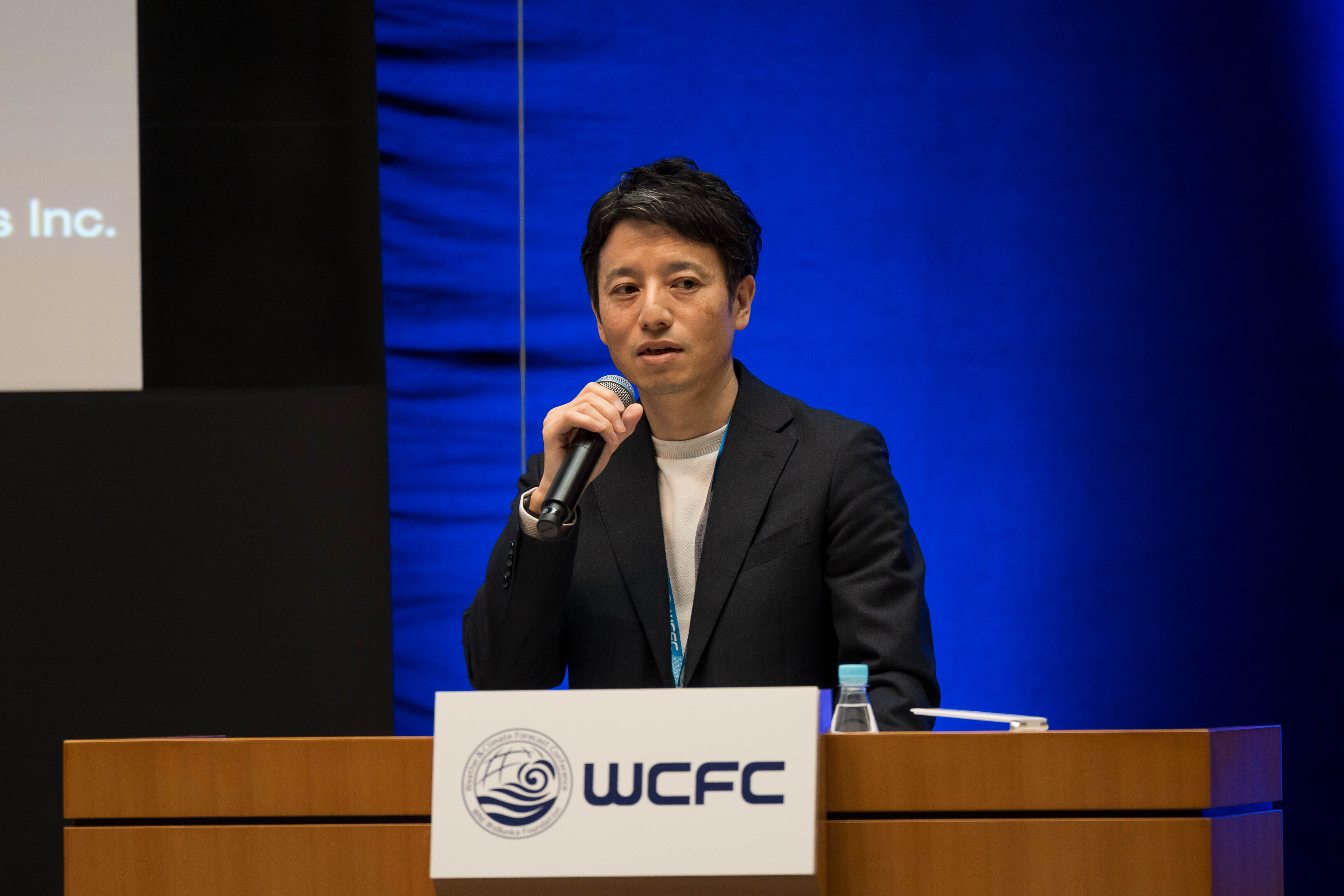
"Application and Challenges of AI Weather Models in the Asian Region" Weathernews Inc., WNI Forecast Center, Mr. Kouhei Sakamoto |
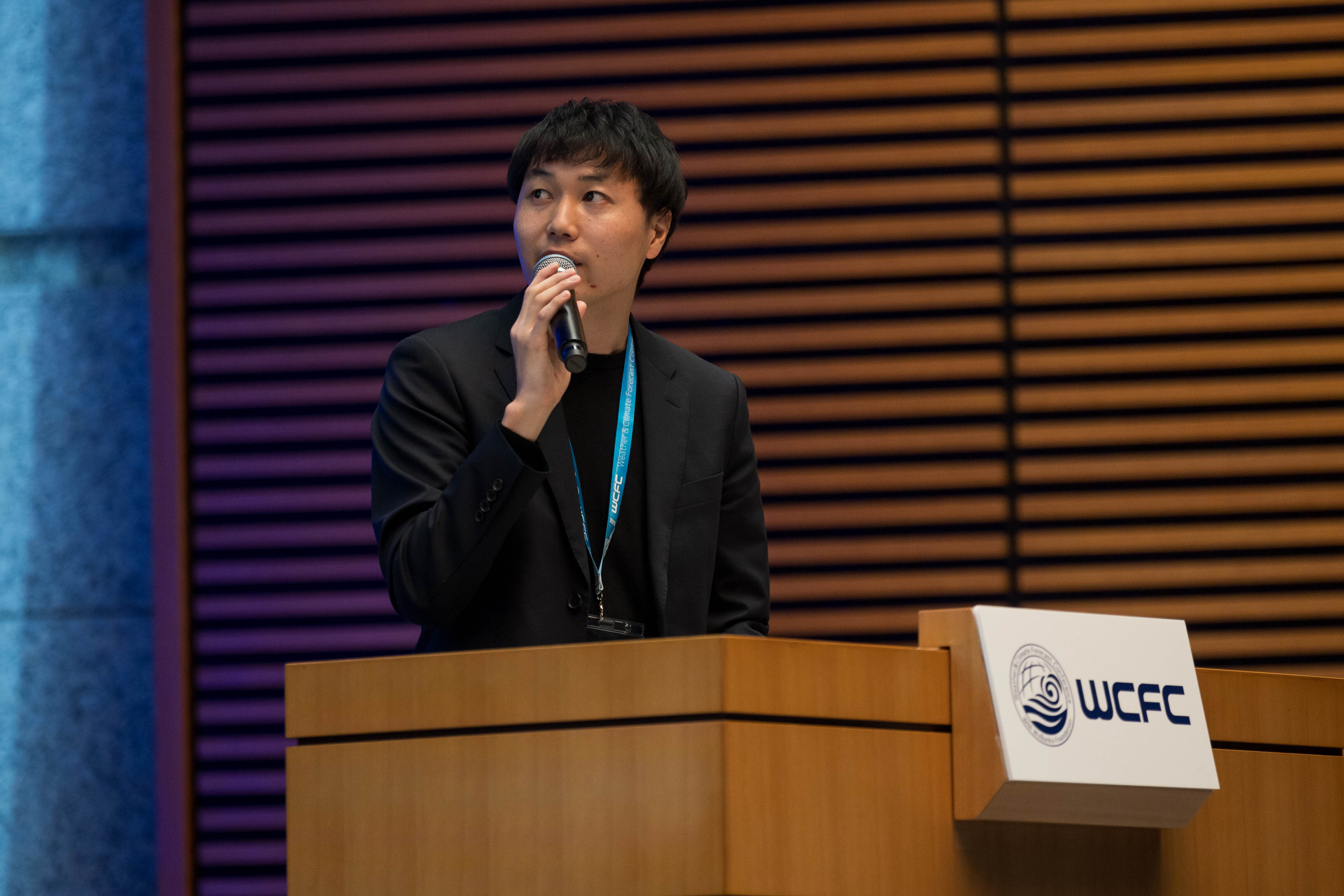
"Application and Challenges of AI Weather Models in the Asian Region" Weathernews Inc., WNI Forecast Center, Mr. Junpei Fujino |
Archives
*Please note that some videos are not available at the request of the speakers.
Presentation Slides
The materials are available at the link below
https://link.extcs.wni.com/zBrwgywy45
*Please note that some materials are not available at the request of the speakers.