











Tsukuba City in Ibaraki Prefecture is renowned as a "City of Science," home to roughly 160 research institutions. At the same time, it seamlessly blends urban living with nature, featuring Mount Tsukuba, a popular destination for hiking and sightseeing.
To leverage these unique local characteristics in its urban planning, Tsukuba City has implemented "Weathernews for Business"—a professional weather data service—as part of its initiatives to ensure a safer, more secure environment for its residents.
We spoke with Wakako Kishida, Director, and Yusuke Yoshinuma, Assistant Manager, of the Crisis Management Division within the Mayor's Office, to learn how this weather data is being utilized for local disaster prevention.
Heightened Crisis Awareness Following the Kinugawa River Breach and the Need for Hyper-Local Weather Data to Protect Citizens
The Crisis Management Division in Tsukuba City previously relied on public online weather websites and standard updates from the Japan Meteorological Agency (JMA). However, their mindset shifted dramatically following a major flood caused by severe rainfall in September 2015, which breached a nearby river in an adjacent municipality.

"To check the likelihood of weather warnings being issued, we had been referring to the JMA’s Early Warning Information. However, because this data roughly divides the large prefecture into just north and south regions, we felt it was insufficient for making decisions tailored specifically to Tsukuba City," explains Mr. Yoshinuma.
Ms. Kishida adds, "Tsukuba City has flood risk zones spread along two major rivers running east to west, and extensive areas at the foot of Mount Tsukuba are designated as sediment disaster hazard zones. Furthermore, recent increases in localized torrential downpours and linear precipitation zones have heightened the risk of flooding in smaller and medium-sized rivers. In 2012, a tornado struck the northern part of our city. Then in 2015, when the Kinugawa River breached its levees in neighboring Joso City, Tsukuba did not suffer damage as severe, but we accommodated many evacuees from Joso in our local shelters and witnessed the disastrous impact firsthand. Ever since, our awareness of storm and flood risks has significantly heightened, underscoring the vital need for high-precision, hyper-local weather data."
Against this backdrop, and to further strengthen the city's disaster response measures, Tsukuba City implemented "Weathernews for Business"—an enterprise weather service that provides pinpoint, real-time data. By referencing features such as Rain Radar and River Water Level Monitoring, the city began leveraging the service to determine when to issue evacuation advisories during typhoons or heavy rain, as well as to ensure prompt initial response setups in the event of a disaster.

Supporting Timely Shelter Opening Decisions During Typhoons and Thunderstorm Prep for Summer Festivals
A particularly vital application of weather data is determining when to open evacuation shelters during typhoons and heavy rain.
"When Typhoon Ampil (Typhoon No. 7) approached in August 2024, Tsukuba City did not need to issue an official evacuation order. However, after reviewing the typhoon's projected path, storm zone predictions, and rainfall data through the desktop portal, we decided to open voluntary evacuation shelters. Fortunately, the typhoon avoided a direct hit, but factoring in the risks of localized torrential rain and strong winds allowed us to prioritize citizen safety above all else," says Mr. Yoshinuma.
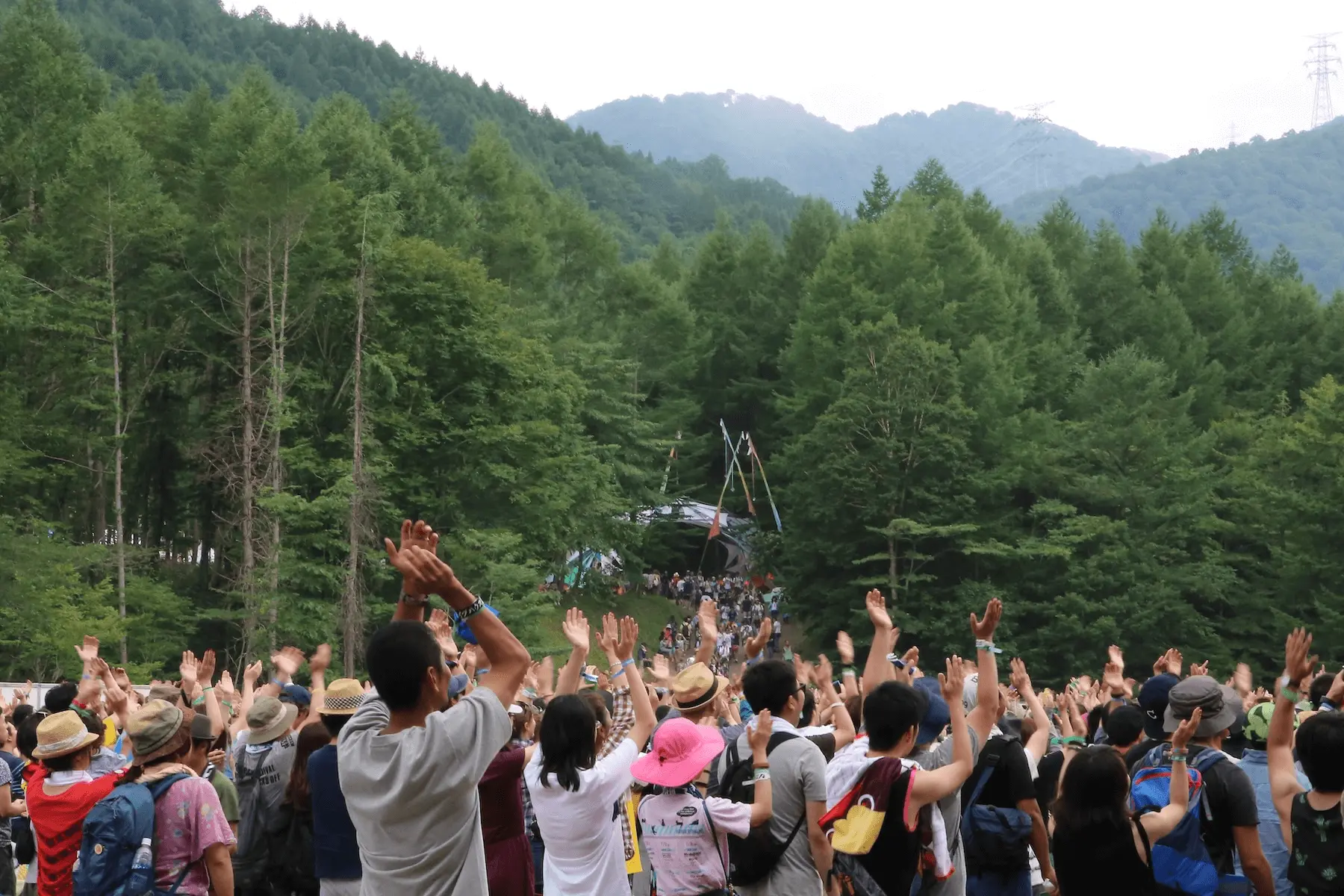
The data was also utilized during "Matsuri Tsukuba," the city's largest annual event. First held in 1981 and taking place every late August, it now attracts over 400,000 visitors.
Ms. Kishida recalls, "During the 2024 festival, daytime temperatures exceeded 30°C on extremely hot days, and the atmospheric conditions were highly unstable. As a result, we continuously monitored weather conditions on our smartphones. Using real-time data from the Lightning Risk Monitoring feature, we were able to issue early announcements to attendees and post warnings on social media. Thankfully, no lightning strikes occurred within the venue, and we successfully averted potential panic and accidents."
The city hosts numerous outdoor events throughout the year, making it essential to monitor localized weather changes to ensure safe operations. Following the adoption of "Weathernews for Business," officials express confidence that the platform will continue to serve valuable roles beyond disaster management in various future scenarios.


Enabling Timely and Accurate Disaster Response Without Relying Solely on Veteran Experience
Regarding their hands-on experience using weather data from "Weathernews for Business," officials note a clear shift from previous disaster response practices—which relied heavily on the experience and intuition of veteran staff—toward a system where any assigned team member can make timely, accurate decisions and responses.
"All personnel can now share highly reliable data in real time, which has dramatically improved our decision-making speed. The overall weather outlook and its specific impact on Tsukuba City are presented in an easy-to-understand format, making it exceptionally useful when briefing senior officials. During Typhoon Ampil (Typhoon No. 7), based on the comprehensive data collected, we were able to open voluntary evacuation shelters—a decision we might not have made under our previous approach. We feel this directly contributed to our citizens' safety and peace of mind," says Mr. Yoshinuma.
Ms. Kishida adds, "Due to personnel rotations, employees are sometimes assigned to disaster management roles with zero prior experience or knowledge. Even in such cases, having access to high-precision weather data and detailed analytical insights gives us the confidence to make informed decisions without hesitation."

Utilizing Weather Data Across Public Services to Build a Safer and More Livable City
Having gained solid confidence in its application for disaster response, the Crisis Management Division is eager to expand the use of "Weathernews for Business" even further.
"In the future, we hope to compare current weather data with past disaster logs to generate even more precise forecasts," says Mr. Yoshinuma.
Ms. Kishida highlights the broader potential across city administration: "While people often perceive weather data as complex to navigate, intuitive and user-friendly platforms allow various departments beyond our division to apply it effectively in their daily operations. Whether it's adjusting school commuting hours, managing heatstroke risks, deciding whether to hold public events, scheduling construction work, or planning fire service dispatch protocols—connecting each department's responsibilities with weather data will ultimately allow us to deliver greater safety and peace of mind to our citizens."
Tsukuba City remains dedicated to leveraging weather data not only for disaster prevention, but across a wide spectrum of municipal services to safeguard its community. We look forward to seeing how they continue to maximize the value of Weathernews' services in the future.

Photo courtesy of Tsukuba City
