









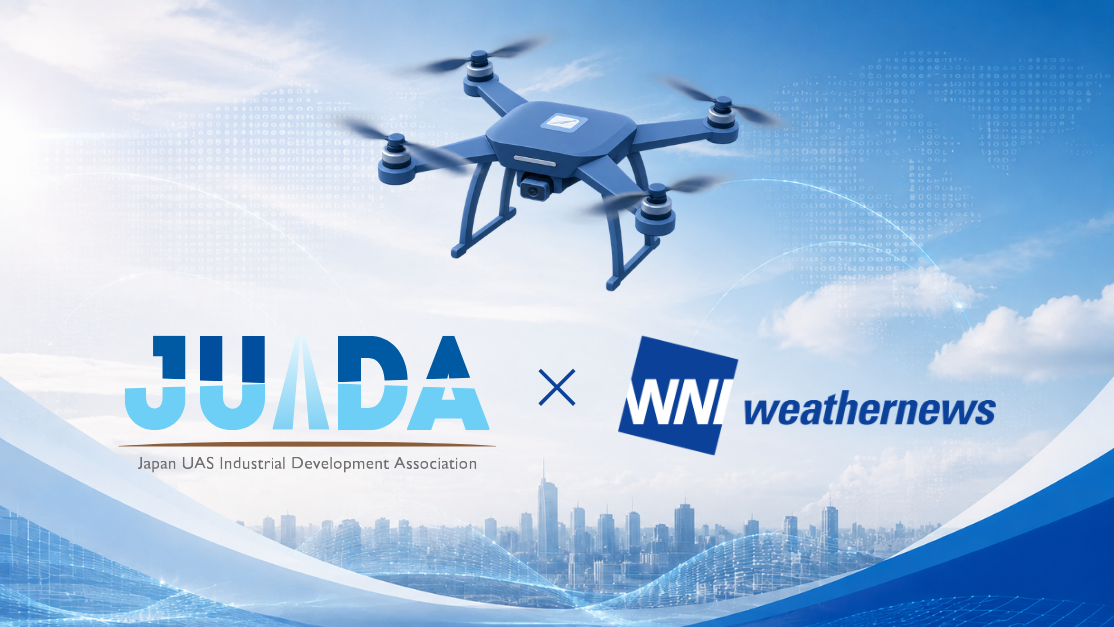
Weathernews has taken the lead on the weather curriculum — planning, producing, and teaching it — for "Aviation Weather Information for Drone Operations," a new e-learning course from JUIDA (Japan UAS Industry Development Association). The course distills years of aviation weather know-how into practical knowledge drone pilots can put to use on site, right away.
Why Weather Matters So Much for Drone Flights
Like manned aircraft, drones are highly sensitive to wind, rain, clouds, and visibility. A sudden gust can throw a drone off balance, and poor visibility can mean losing sight of it altogether — weather is one of the biggest risk factors in drone operations, and it can quickly turn into a serious safety incident.
Until now, though, drone pilots have had few ways to learn aviation weather in a structured way. Most weather training materials are built for licensed meteorologists or manned-aircraft pilots, leaving a real gap: no practical, drone-specific weather course existed that pilots could actually put to use in the field.
Turning Decades of Aviation Weather Know-How Into a Drone Pilot's Toolkit
Weathernews has teamed up with JUIDA (Japan UAS Industry Development Association), one of Japan's largest drone industry associations, to plan and produce the weather curriculum — and teach it — for its new e-learning course, "Aviation Weather Information for Drone Operations."
Drawing on know-how built over years of supporting aviation, rail, and shipping — industries where weather can make or break operations — Weathernews translates that expertise into terms drone pilots can use directly. The course goes beyond textbook theory, focusing on the practical question every pilot actually faces: how do I make the right call to fly or not fly, right now, on site?
Course Curriculum
Chapter 1: Introduction | Course objectives and an overview of weather-related risks in drone operations
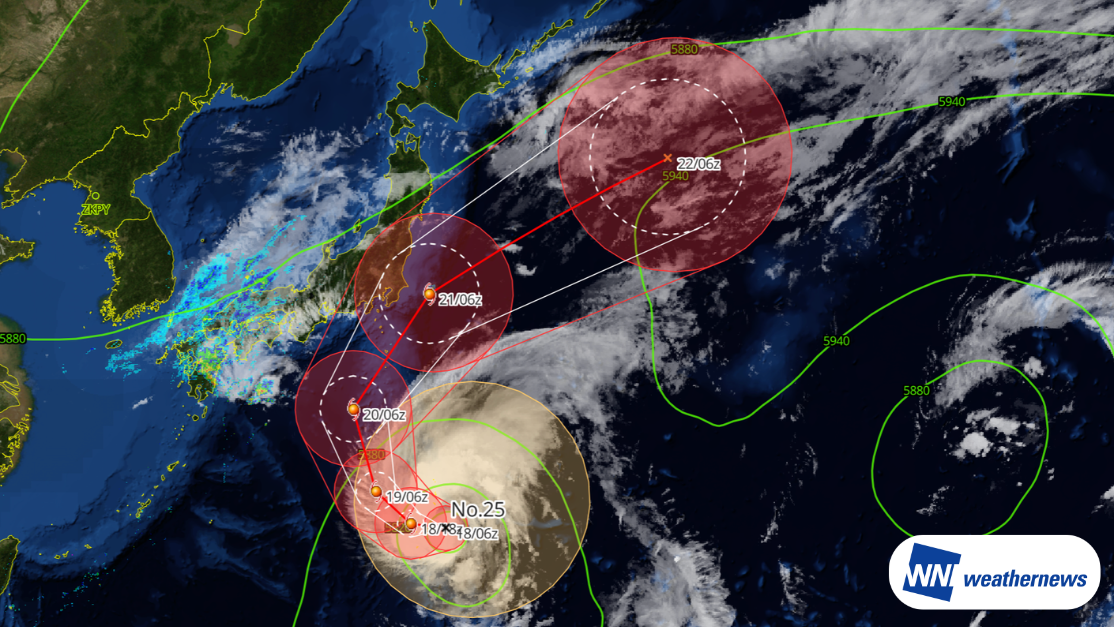
Chapter 2: Aviation Weather Basics | Cloud types, how to read weather charts, and the fundamentals of numerical weather prediction models
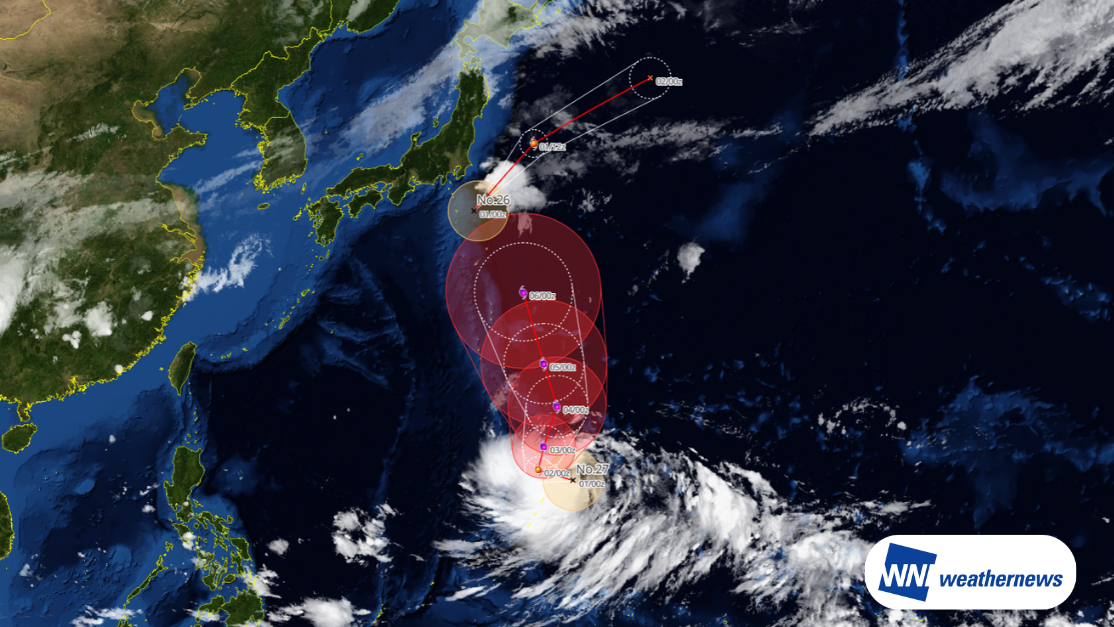
Chapter 3: Weather Conditions to Watch During Flight | Localized gusts and downdrafts, sudden thunderstorms, landslide risk, poor visibility (fog and smoke), snowfall, and flight risks in extreme cold or heat — with practical countermeasures
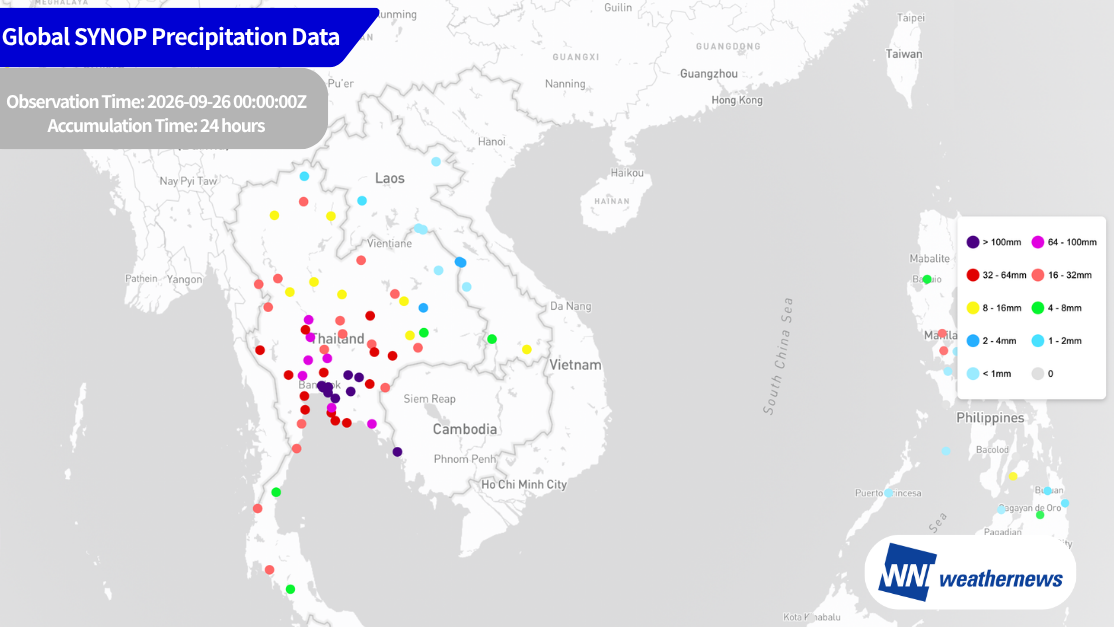
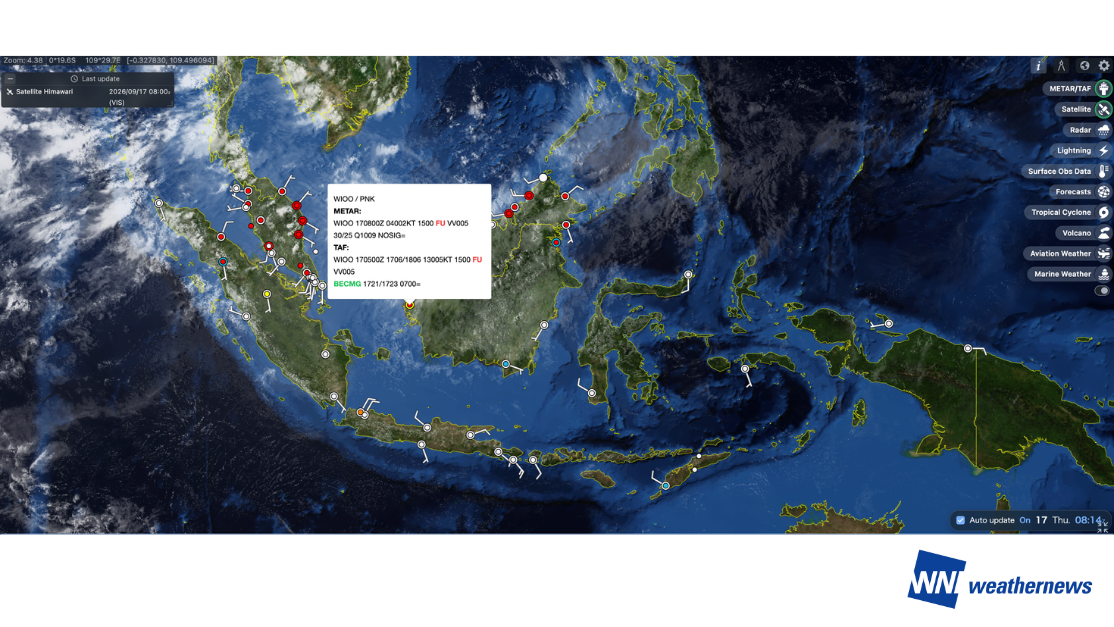
Chapter 4: Reading and Using Weather Information | How to make the most of public weather information, plus an introduction to Weathernews' high-resolution forecasting services that support drone operations
Better Weather Literacy Means Safer, More Trusted Skies
Weather is always changing, and making an accurate safety call without a real understanding of it is genuinely difficult. Through curriculum design and hands-on teaching like this, Weathernews shares its meteorological expertise with the fields that need it most.
As individual drone pilots build stronger weather literacy, it doesn't just help prevent accidents — it's a meaningful step toward drones being safely and confidently accepted across society. Weathernews will keep sharing its weather expertise across a wide range of operational fields going forward.
Course Details
Course name: JUIDA e-learning course, "Aviation Weather Information for Drone Operations"
Learn more:Official JUIDA e-learning page