










From Hurricane NOLO to Typhoon NOLO
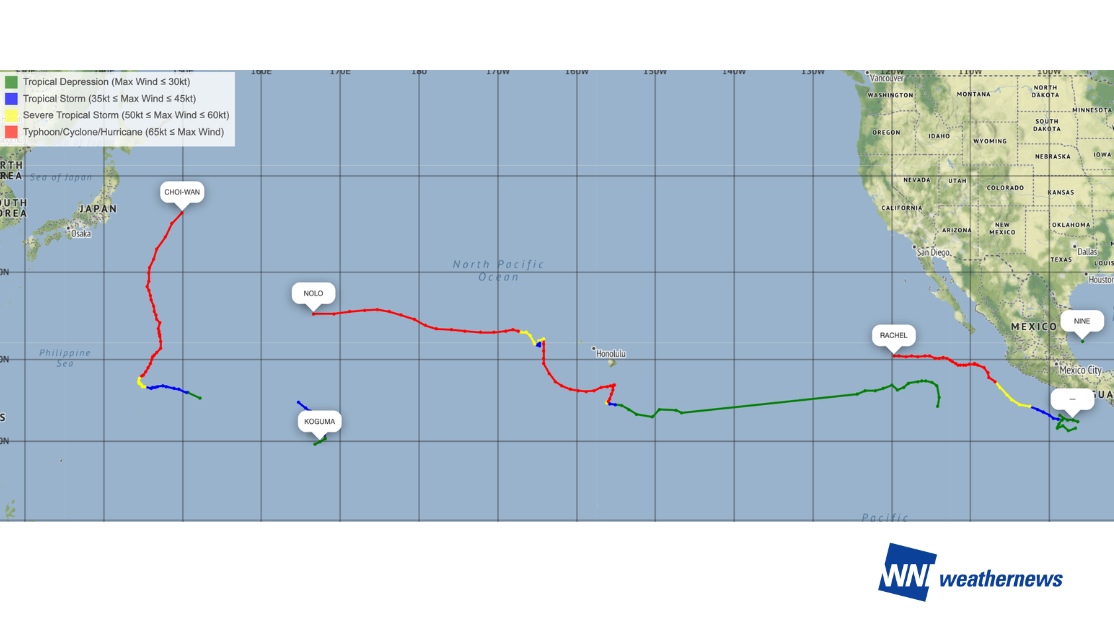
NOLO is the 19th named tropical cyclone of the 2026 Pacific hurricane season.
NOLO originated southwest of Mexico, developing into a tropical depression (TD) on September 13. After temporarily weakening, it regenerated into a tropical depression southeast of the Hawaiian Islands on September 23 and soon intensified into a tropical storm (TS).
On September 25, NOLO strengthened into a hurricane while moving slowly northward. After causing minor impacts across the Hawaiian Islands, it shifted westward on September 27 and reached its peak intensity on September 28, with 1-minute maximum sustained winds reaching 135 kt.
Subsequently, NOLO turned northward and tracked west of the Hawaiian Islands while weakening back to a tropical storm. After stalling west of Hawaii for several days, it resumed its westward track and re-intensified into a hurricane on October 2.
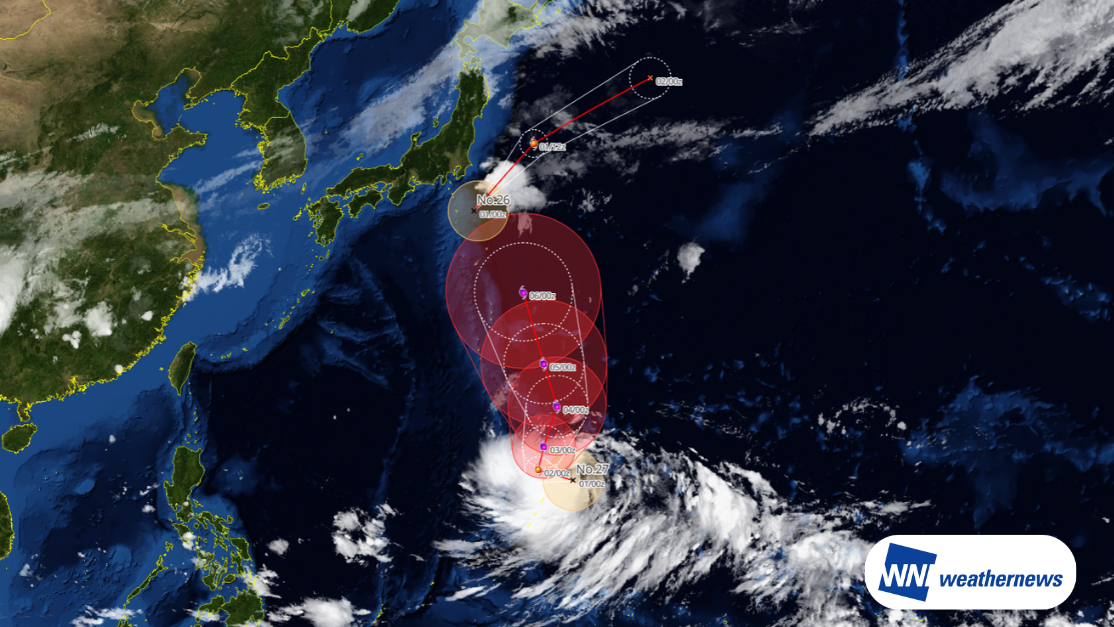
On October 4, NOLO crossed the International Date Line into the Northwest Pacific Basin, re-intensifying in the Western Pacific to become Typhoon No. 28 of the 2026 season.
Current Status
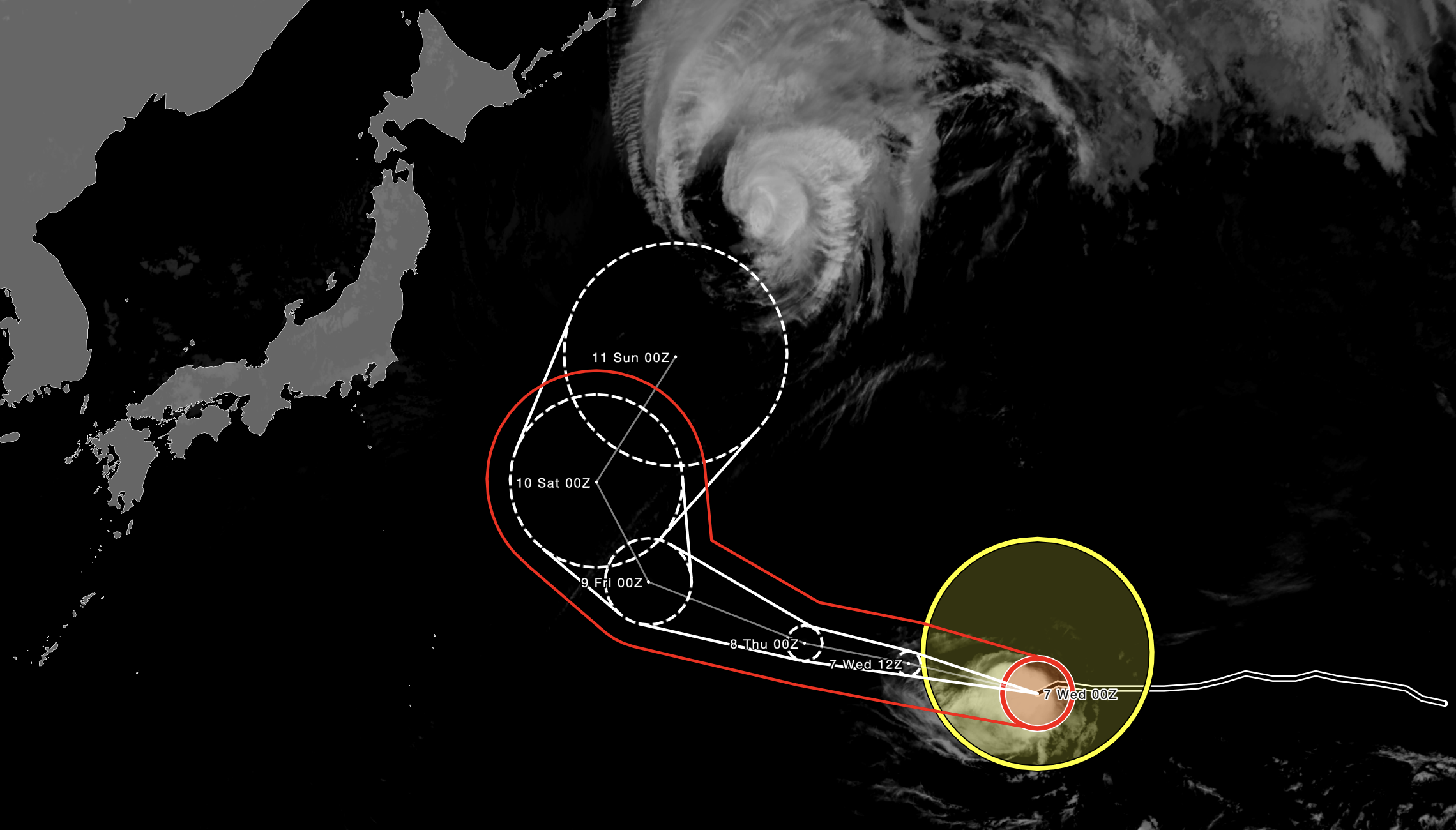
According to advisory information issued by the Japan Meteorological Agency (JMA) at 10:05 JST on October 7, 2026, Typhoon No. 28 (NOLO) was located near Wake Island (25.2°N, 164.4°E) as of 09:00 JST on October 7, moving westward at 21 kt. The central pressure is 975 hPa, with maximum sustained winds near the center of 70 kt and maximum gusts of 100 kt.
Outlook and Forecast Track
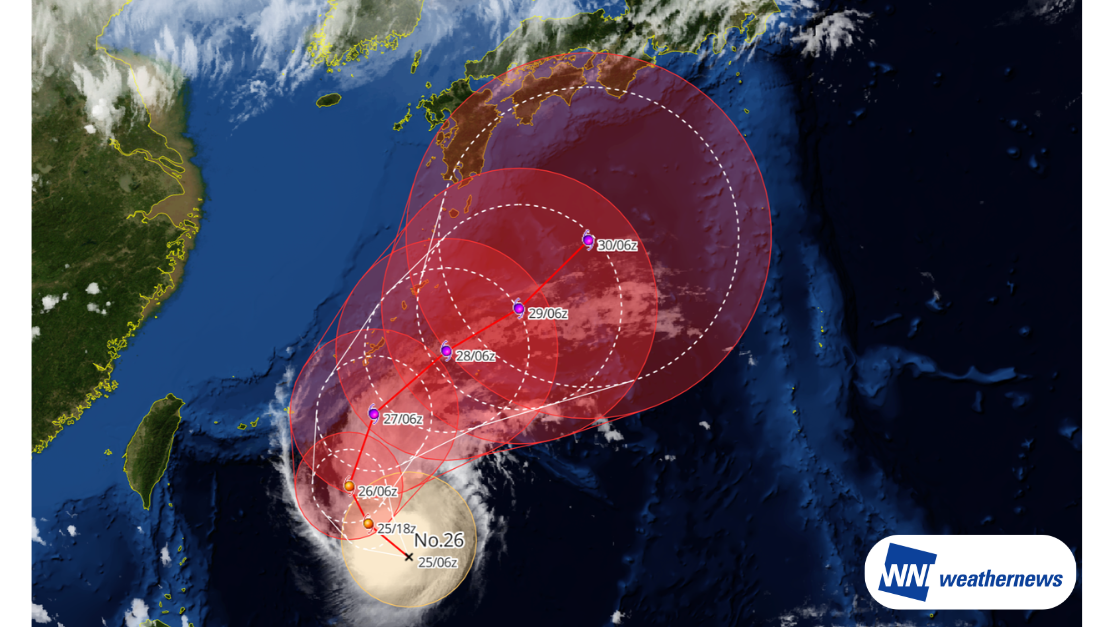
Typhoon NOLO is expected to continue tracking westward while gradually weakening, before curving eastward around October 10 and eventually transitioning into an extratropical cyclone.
Looking Ahead
Typhoon track, intensity, and wind speed forecasts at the time of closest approach may change. Please continue to monitor the latest typhoon information, airport forecasts, and operational updates.
For more timely and detailed information on typhoons and tropical disturbances, please visit SkyAviators, the aviation decision-support tool for airline operators. Learn more about "SkyAviators"
Disclaimer
This article is provided for informational purposes only. Flight-specific operational flight watch and dispatch support are provided exclusively through Weathernews' commercial airline services. Weathernews Inc. assumes no liability for any operational decisions made in reliance on this article, or for any losses or damages resulting therefrom.